How to Enhance Your Early Childhood Education Curriculum in Australia
Assessing Current Curriculum
Identify Strengths
Understanding the strengths of your early childhood education curriculum starts with a thorough review of the existing components. One effective approach is to gather feedback from educators who have completed a diploma in early childhood education. These professionals can offer valuable insights into what works well in your current programme, such as activities that engage children or methods that promote cognitive development.
Recognize Gaps
After identifying strengths, it's crucial to recognise any gaps in your curriculum. This could be areas where students are not meeting developmental milestones or subjects that aren't adequately covered. Consulting with educators and stakeholders helps to pinpoint these deficiencies. For instance, you might find a need to incorporate more social-emotional learning or perhaps more STEM activities to keep up with modern educational standards.
Collect Feedback
Collecting feedback is essential for continuous improvement. Surveys and open forums with educators, parents, and even the children themselves can provide a diverse array of perspectives. Implementing this feedback ensures the curriculum evolves to meet the varying needs of the students. For early childhood educators who have completed aged care courses online, their dual expertise can offer a unique view of how to integrate caregiving skills into the educational environment.
Regularly assessing the current curriculum with these methods ensures a well-rounded and effective educational experience for all students.
Interactive Learning Techniques
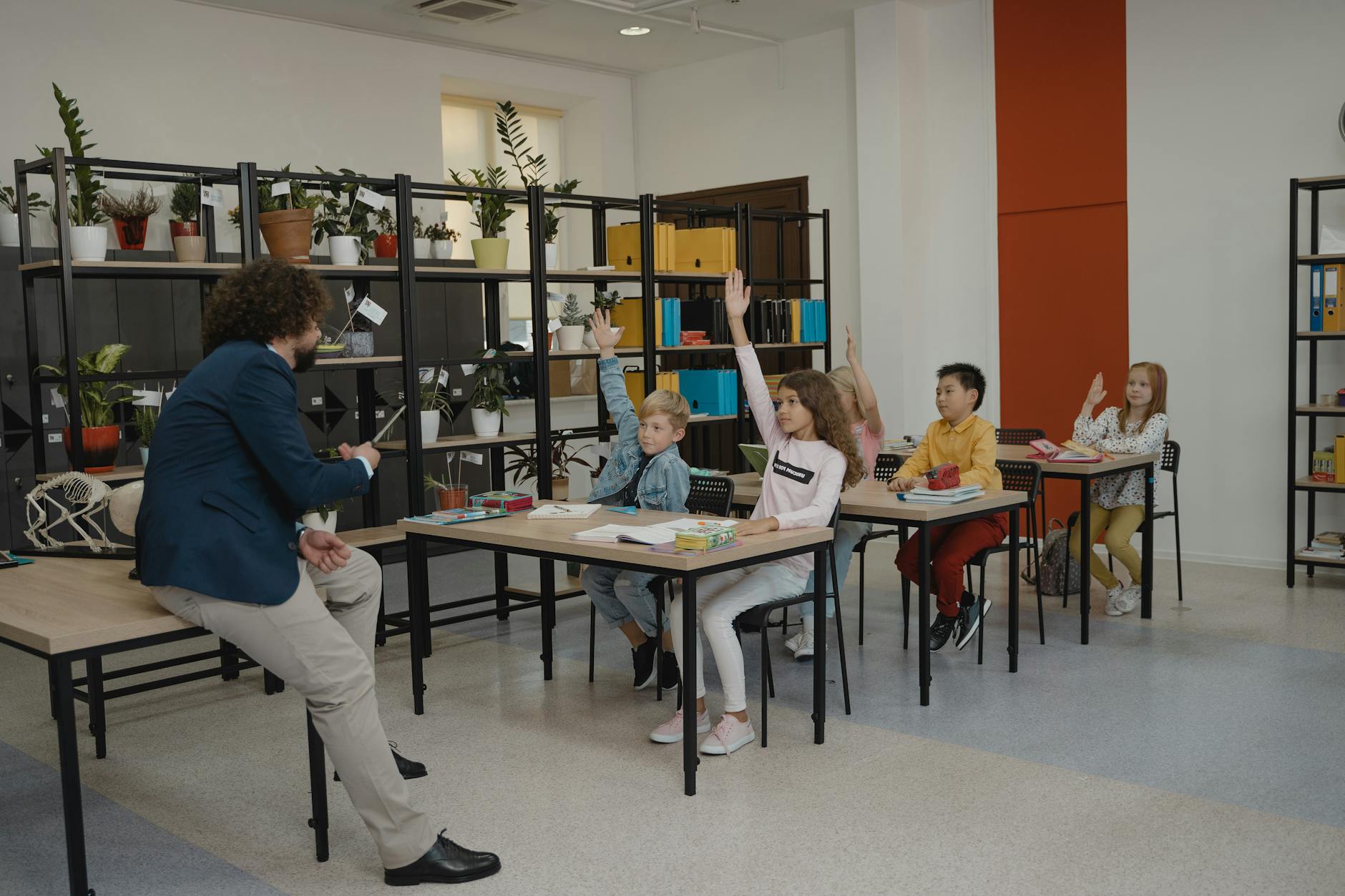
When it comes to enhancing early childhood education, integrating interactive learning techniques is crucial. Children learn best when they are actively engaged, and our vibrant city of Melbourne offers numerous resources to support this. Picture the excitement of a group activity that mimics a treasure hunt through the Federation Square, turned into an engaging classroom experience. Such interactive techniques not only capture children's interest but also foster critical thinking and problem-solving skills.
One effective method is hands-on projects. These projects can be simple, such as building a model of a familiar local landmark, or complex, like creating a collaborative art piece inspired by Melbourne’s bustling urban landscape. These activities encourage teamwork and creativity, helping kids to learn in a more dynamic and enjoyable way.
Storytelling is another powerful tool. It allows children to express themselves and understand the world around them. Incorporating local tales or legends, such as stories set in and around the Royal Botanic Gardens, can make the experience even more relatable and engaging.
Holistic Development Focus
A holistic approach to early childhood education considers all aspects of a child’s development. This includes not only cognitive skills but also emotional, social, and physical growth. Ensuring that children’s needs are met in a balanced manner helps set the foundation for lifelong learning and well-being.
Incorporating physical activities into the daily routine is essential. Simple exercises that mimic the natural movements seen in the playgrounds of the Royal Botanic Gardens can help with motor skills and overall physical health. These activities should be paired with periods of quiet time to allow for mental relaxation and emotional balance.
Social development can be fostered through group work and social-emotional learning practices. For example, activities that encourage sharing, empathy, and conflict resolution teach children essential life skills. These practices help build a classroom community where every child feels valued and supported.
Mental Health Practices
Integrating mental health practices into the early childhood curriculum is vital for fostering a supportive learning environment. As someone committed to nurturing young minds, you'll find that mental health awareness can make a significant difference in children’s lives. Pursuing mental health courses or a certificate iv in mental health is a fantastic way to equip yourself with the necessary skills to support your students best.
One practical approach is to incorporate mindfulness exercises into daily routines. Simple breathing exercises or short guided meditations can help children manage stress and develop a sense of calm. These practices can be particularly valuable during transition times, such as moving from outdoor play to indoor activities.
Creating a safe and open environment for children to express their feelings is equally important. This can be achieved through regular “feelings check-ins,” where children can share how they are feeling in a non-judgmental setting. This not only helps them understand their emotions but also teaches them empathy and listening skills.
By implementing these interactive learning techniques, a focus on holistic development, and incorporating mental health practices, we can create a more enriching early childhood education experience. This approach not only aligns with the educational goals but also ensures that every child’s individual needs are met compassionately and effectively.
Enhancing Teacher Skills
Professional Development
As someone deeply invested in early childhood education, I can attest to the importance of continuous professional development. It's about staying updated with the latest methodologies and techniques to ensure we provide the best for the young minds under our care. For instance, enrolling in community services courses can greatly enhance your skill set, enabling you to cater to diverse needs more effectively. Continuous development keeps teaching strategies fresh and engaging, ensuring that educators are always at the forefront of educational innovations.
Continuing Education
Continuing education is another crucial aspect of maintaining teaching efficacy. By pursuing child care courses, educators can delve deeper into specific areas of interest or need within their educational framework. This journey of lifelong learning not only improves teaching quality but also enriches the overall educational experience for children. Whether it's through formal qualifications like advanced diplomas or informal courses and workshops, the pursuit of knowledge should be unending.
Collaboration and Sharing
The power of collaboration cannot be underestimated. By actively participating in educator networks and forums, you can exchange ideas, strategies, and experiences with peers. This communal learning culture fosters innovation and enhances the collective knowledge within the early childhood education community. For instance, meetups at places like Federation Square offer a fantastic opportunity to engage with fellow educators and share enriching experiences, which can be immensely beneficial for both personal and professional growth.
Investing in these areas not only boosts your individual capabilities but also contributes significantly to the overall quality of early childhood education, ensuring a dynamic and supportive learning environment.
Involving Parents and Community
Parental Engagement
Engaging parents is essential for creating a supportive and rich learning environment for children. This might seem daunting, especially with the busy schedules that most of us juggle. But trust me, building strong relationships with parents can transform your classroom dynamic.
First, consider regular communication channels, like newsletters or class blogs, where you can keep parents updated about what's happening in the classroom. Another effective method is organising parent-teacher meetings, both formal and informal. You can schedule these around drop-off and pick-up times for more casual interactions. Additionally, parent workshops focusing on early childhood development can offer valuable insights to help them engage more effectively with their children's learning at home.
Community Resources
Utilising community resources is a game-changer. Here in Melbourne, we have access to an abundance of cultural and educational resources, which can enhance your teaching and provide children with unique experiences. Why not organise a field trip to the local library or a nearby museum? These excursions can introduce children to new environments and broaden their learning horizons.
Further, there are online courses, such as those for aged care online courses, which can impart knowledge that might benefit your interaction with children and parents alike. With continuous learning being a pivotal aspect of our work, these courses can offer fresh perspectives and valuable skills.
Workshops and Events
Hosting workshops and events can serve as excellent platforms for building a stronger sense of community. These can be anything from storytelling sessions and arts and crafts fairs to more structured professional development opportunities for parents who are looking into certifications like cert 3 childcare.
I've even seen successful collaborations where early childhood educators partner with local businesses or community centres to host these events. This not only provides valuable resources and learning experiences but also strengthens community bonds.
Building a robust support system through parental engagement, community resources, and interactive events will foster a thriving educational environment for the children.
Best Practices
Regular Curriculum Reviews
Maintaining a dynamic curriculum starts with regularly scheduled reviews. Think of it like touching up your makeup throughout the day to keep your look fresh. This involves evaluating the relevance and effectiveness of the current curriculum and making necessary adjustments. Engage your team in frequent discussions to brainstorm innovative ideas. Just like the ever-evolving beauty trends showcased at Emporium Melbourne, our curriculum must evolve to stay current.
Tailored Learning Experiences
Every child is unique, much like every skin type requiring a customised skincare routine. Tailoring learning experiences to cater to their individual needs is crucial. Consider differentiating instruction to accommodate diverse learning styles, similar to how I would select colours and products to match a person's unique complexion and preferences. This might involve incorporating visual, auditory, and kinesthetic activities to make learning accessible for all children.
Maintaining Emotional Well-being
The importance of mental health can't be overstated, whether we're talking about early childhood education or maintaining a balanced beauty routine. Creating a supportive and caring environment is fundamental. Techniques such as mindfulness exercises, open discussions, and emotional literacy activities can promote a positive atmosphere. Just as a good skincare regimen is key to a radiant complexion, a focus on emotional well-being cultivates a nurturing learning environment.
By focusing on these best practices—regular reviews, tailored learning experiences, and emotional well-being—you’ll ensure that your curriculum remains as fresh and impactful as the latest beauty products at Emporium Melbourne. This holistic approach empowers both educators and students to thrive in a vibrant, engaging environment.